Fabric notes
Organic Cotton Pajama Labels: How to Verify What Is Certified
As an Amazon Associate I earn from qualifying purchases. Purchases take place on Amazon.
An organic pajama title can look reassuring while leaving its most important details unanswered. Does organic describe the cotton fiber, the finished garment or one component? Is a certification named, and can it be connected to the actual product? Those are answerable shopping questions. This guide gives you a way to ask them without treating every unfamiliar logo as proof or every incomplete listing as deception. The aim is a defensible purchase: you should know what has been claimed, what you have verified, and which comfort or environmental conclusions still cannot be drawn from the available information.
Quick Answer
Organic wording, GOTS certification and OEKO-TEX STANDARD 100 answer different questions. Verify the exact claim, the named certification scheme and whether its documentation covers the finished pajama you selected. A brand logo or organic product title is not a certificate audit. None of these terms alone establishes a medical benefit, perfect sustainability or the right fit.
In this guide
- Write down the claim before evaluating it
- Understand the two common names without merging them
- Follow the claim from the listing to the issuer
- Apply the method to actual pajama listings
- Ask a question that can receive a concrete answer
- Certification does not replace a comfort inspection
- Children's sleepwear adds a separate fit question
- Make environmental comparisons narrower and more useful
Write down the claim before evaluating it
Begin with the complete phrase attached to your chosen pajama. Organic cotton, made with organic cotton, certified organic and GOTS certified are not interchangeable descriptions. Removing a qualifying word can make a claim sound broader than it is. Record the wording alongside the exact style, size and color so that a later answer can be matched to the item.
Then ask what you want that statement to establish. You may care about cultivation standards, processing requirements, testing for specified substances, or traceability. You may instead be looking for a softer garment. The first group involves documented standards and product scope; softness requires a different assessment. A certification cannot decide whether a collar or waistband feels pleasant to you.
Keep ordinary fiber percentages visible throughout this process. A garment described as organic cotton may still require clarification about other fibers, trims or additional pieces. If the main question is whether it contains any polyester, start with the composition statement rather than expecting an environmental logo to answer it indirectly.
Understand the two common names without merging them
| Claim or scheme | What to investigate | What not to assume |
|---|---|---|
| Organic cotton wording | The claimed fiber and supporting documentation | That a particular finished-product certification has been checked |
| GOTS | Certification scope, labeling and the relevant certified entity | That every item sold by a named company is covered |
| OEKO-TEX STANDARD 100 | Product-specific harmful-substance testing certification | That the cotton was organically farmed |
| Natural or eco-friendly | The specific attribute and evidence behind the phrase | A complete environmental assessment |
Global Standards describes GOTS as its organic-textile standard, with requirements covering defined materials and applicable processing, environmental, social, traceability and labeling aspects within the certified scope. The words within scope matter: certification evidence must connect to the claim being made about your purchase. GOTS standard owner.
OEKO-TEX describes STANDARD 100 as a label for textiles tested for harmful substances. It is not the same claim as organic farming, and the organization operates other schemes with different purposes. Look at the full scheme name, not only the familiar OEKO-TEX branding. OEKO-TEX STANDARD 100 overview.
This guide does not apply a numeric certification threshold to any catalog garment. It also does not turn an older standard document into a current certificate for a product. When a threshold matters to your choice, consult the scheme's current official requirements and the actual documentation supplied for that item.
Follow the claim from the listing to the issuer
- Identify the certification scheme in full, including the product label or grade shown.
- Find a certificate or license identifier and the name of the certified business.
- Use the certification organization's official information or verification route rather than relying on a marketplace badge alone.
- Check the validity, product scope and whether the information can be connected to the selected pajama.
- Ask the seller or manufacturer to resolve any mismatch before treating the claim as confirmed.
A certificate associated with a company can be relevant without proving every garment that company sells is covered. A broad business scope, a fabric supplier record and a finished-product claim can represent different links in the chain. If you cannot connect them, write down the missing link. That is more useful than deciding that a certificate image settles the matter simply because it looks official.
Also examine dates and names carefully. A screenshot may be old, cropped or difficult to read. A trading name can differ from the legal entity on a document, but that relationship needs an explanation. These are reasons to seek clarification, not grounds to accuse a seller without evidence.
Apply the method to actual pajama listings
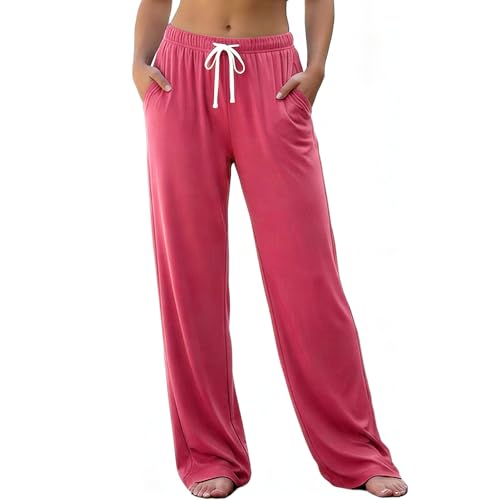
U2SKIIN's women's tall pajama bottoms, ASIN B0FXFX9985, include organic cotton in the retrieved title, along with pockets and an adjustable waist. That supports reporting an organic-cotton listing claim. It does not provide a GOTS certificate number, a confirmed organic percentage or measured tall dimensions. We keep those questions separate rather than allowing one appealing phrase to fill every field.
Little planet by carter's two-piece navy-stripe pajamas, ASIN B0DLQZW2DW, use made with organic cotton wording. That is worth preserving exactly. It should not be silently rewritten as an independently verified 100% organic garment, and the brand's wider reputation is not a substitute for product-specific documentation.
Burt's Bees Baby's toddler set, ASIN B0GXBZS2Q1, also names organic cotton. Again, the title supplies a claim to investigate, not a completed certification audit. The examples in our organic-cotton collection are presented with the evidence available for the individual item. A collection name cannot strengthen that evidence.
If you are comparing two organic-labeled items, ask the same questions of both. Do not require documentation from the unfamiliar brand while assuming the familiar one has supplied it. Consistent standards make the comparison fair and reduce the influence of attractive packaging or a reassuring brand story.
Ask a question that can receive a concrete answer
A useful request might be: “For this exact pajama style and variation, which certification is claimed, and where can I verify that it covers the finished item?” If composition is your concern, add: “What percentage of each piece is organic cotton, and what are the remaining fibers?” These questions keep certification and fiber content related but distinct.
A response that repeats the product title has not answered a documentation request. Similarly, “all our products are natural” does not identify a standard. You can ask once more for the specific information, choose another listing, or proceed while accepting that the claim remains unverified. What you should avoid is turning an incomplete reply into stronger proof than it contains.
Save the answer with the product identifier if it influences your purchase. This creates a useful record when the garment arrives, especially if several similar sets are sold under one marketplace page. It also lets you compare the sewn-in label with the description you relied upon.
Certification does not replace a comfort inspection
Suppose two pajamas provide equally convincing certification information. One has a stiff decorative collar, the other a simple neckline; one uses a broad waistband, the other a narrower one. Those construction choices may decide which you prefer. The certification comparison has done its job, but it has not made the remaining shopping decision unnecessary.
Look at the inside of the garment where possible. Seams, labels, lace, cuffs and pocket bags can affect what touches the body. If you have a specific material concern about a trim, ask about that component directly. Do not use certified or organic as shorthand for latex-free, fragrance-free or suitable for a medical condition.
For a focused discussion of texture and contact points, read the skin-comfort selection guide. It stays with clothing features rather than promising symptom relief. Keeping these topics separate protects both decisions: you can verify a sourcing claim without inventing a health benefit.
Children's sleepwear adds a separate fit question
An organic claim does not establish that a child's pajama is the correct sleepwear category, size or fit. Do not choose an oversized garment because a natural-fiber description sounds reassuring. Product-specific sleepwear labeling and applicable fit requirements require their own review.
Our children's snug-fit explanation covers that separate issue using CPSC guidance. The important purchasing distinction here is that environmental certification and sleepwear requirements answer different questions. Neither should be used to bypass the other, and a product title alone does not demonstrate regulatory compliance or recall clearance.
Make environmental comparisons narrower and more useful
Instead of asking whether a pajama is perfectly sustainable, identify the attribute you are trying to support. A documented organic-fiber claim can be one part of that preference. So can choosing a garment you expect to wear regularly, maintaining it according to its instructions and avoiding a purchase that is clearly unsuitable for your needs.
Do not award a universal environmental victory on the basis of a single label. Manufacturing, use and other parts of a product's life are not fully described by one marketing phrase. You can still make a considered purchase without pretending to have a complete comparative life-cycle assessment for two pajama sets.
A short decision record is enough: claim verified or unresolved; composition acceptable or unsuitable; fit information adequate or missing; care routine realistic or impractical. If an essential category fails, keep looking. If it meets your actual priorities, there is no need to chase extra logos that answer questions you were not asking.
Questions about this decision
Does OEKO-TEX STANDARD 100 mean pajamas are organic?
No. STANDARD 100 concerns testing for harmful substances, while organic claims concern a different aspect of the product. Check the complete certification name and its official scope. A familiar logo should not be translated into a farming claim that the named scheme does not make.
Can I call every item from an organic brand GOTS certified?
No. The claim needs a connection to the particular product and applicable certification scope. A brand-level statement or supplier certificate may not establish finished-item coverage. When the documentation is unclear, describe the organic wording as a listing claim and leave certification unconfirmed.
Are certified pajamas automatically better for sensitive skin?
Certification does not guarantee an individual's comfort or establish treatment of a skin condition. A garment can still have seams, labels or trims you dislike. Evaluate those features separately and avoid interpreting organic or tested-for-substances wording as a universal medical promise.
Final Verdict
The strongest organic purchase is one whose claim you can trace and whose garment you actually want to wear. Preserve the exact wording, distinguish GOTS from OEKO-TEX schemes, and connect documentation to the selected product instead of relying on a brand halo. Then return to ordinary clothing decisions: composition, fit, seams and care. An unresolved certificate question should remain unresolved in your notes, not become a reassurance you repeat to yourself. Clear limits are useful information, especially when the label is part of the reason you are paying more.
Explore the listed examples
As an Amazon Associate I earn from qualifying purchases. Purchases take place on Amazon.
Cotton; construction not statedU2SKIIN organic-labeled tall cotton pants
Someone starting a search for tall cotton sleep trousers.
Check on Amazon Cotton; construction not stated
little planet by Carter’s organic-labeled set
A child’s two-piece set to compare using exact composition and measurements.
Check on Amazon Cotton; construction not stated
Burt’s Bees Baby organic-labeled toddler set
Comparing a toddler two-piece format with other age-appropriate sleepwear.
Check on AmazonContinue with the relevant guide
Back to Fabric notes · Explore cotton pajamas
Sources and editorial method
This is a researched selection guide. We have not performed hands-on wear, washing or laboratory tests on the featured products.