Fabric notes
Cotton vs. Bamboo Viscose Pajamas: Read Past the Plant Name
As an Amazon Associate I earn from qualifying purchases. Purchases take place on Amazon.
Bamboo photographs show a plant. Pajama photographs show a finished fabric. The gap between those two images is where much of the confusion begins. A shopper may reasonably expect the plant's natural qualities to carry through unchanged, yet the material sold as soft bamboo sleepwear can be a manufactured fiber with its own properties. This article follows that distinction all the way to a buying decision. It does not dismiss a comfortable viscose garment because of how it is made, and it does not reward one with benefits that its product information has never established.
Quick Answer
Most soft pajamas marketed with bamboo wording should be evaluated by their actual rayon or viscose composition, not by the properties of the growing plant. Cotton and bamboo-derived viscose are different materials. Choose between finished garments using texture, fit, fiber percentages and care requirements; bamboo wording alone does not prove antibacterial performance, superior cooling or lower environmental impact.

In this guide
- Translate the headline into the material you are buying
- Sort the promises into claims you can investigate
- Compare the feel you want, not a fiber hierarchy
- Use cotton examples without pretending they are bamboo products
- Moisture comfort is not the same as a treatment claim
- Let the maintenance instructions challenge the marketing
- Environmental preference needs a defined target
- A compact decision path
Translate the headline into the material you are buying
The FTC explains that bamboo processed into soft rayon or viscose is different from the original plant. In particular, the plant's antibacterial reputation is not evidence that the resulting fabric is naturally antibacterial. That distinction is central to comparing a bamboo-marketed pajama with cotton. FTC guidance on bamboo fabrics.
Look for the actual generic fiber wording in the composition details. Rayon made from bamboo or viscose derived from bamboo gives you a more informative starting point than bamboo alone. If the garment is blended with cotton or a stretch fiber, record those amounts as well. The plant name does not tell you the proportion of each ingredient.
Cotton has its own processing story, and natural is not a complete description of a finished cotton garment either. The point is to compare accurately named materials rather than placing one item in a vague natural category and another in an equally vague synthetic category. Clear names allow useful questions about the actual cloth.
Sort the promises into claims you can investigate
| Promise in a listing | Useful evidence question | Buying consequence |
|---|---|---|
| Soft or silky | What are the fabric and construction, and can I assess the texture? | Treat as a preference to evaluate |
| Cooling | What finished-product evidence supports the comparison? | Do not assume a measured benefit from bamboo wording |
| Antibacterial | Is there reliable evidence for this finished garment? | Do not infer it from the plant |
| Eco-friendly | Which specific environmental attribute is documented? | Avoid a universal material ranking |
| Stretch | Does it describe construction, an added fiber or measured behavior? | Check fit independently |
You do not have to investigate every promotional phrase to buy sleepwear. Focus on the ones that justify the purchase for you. If you would choose the pajama because its shape and texture appeal, that is a legitimate clothing preference. If you are paying extra because of a health or environmental promise, the evidence deserves more attention.
When no test or relevant documentation is supplied, leave the promise unconfirmed. A lack of evidence is not an invitation to invent a comparative score. It is also not proof that you will dislike the garment. The distinction between an unsupported claim and an unusable product helps keep the decision fair.
Compare the feel you want, not a fiber hierarchy
Some people prefer cloth that drapes closely and moves in soft folds; others want a drier-feeling surface or more space around the body. Describe your preference using a garment you already own. Is it the smooth body fabric you like, or the roomy shape? Are you avoiding a crisp feel, a fuzzy surface or too much cling?
A bamboo-derived viscose pajama may be a candidate for a particular draped feel, but the actual construction and blend still matter. Cotton can also be made into yielding jersey or a more defined woven. Comparing one example from each without noticing those differences can make a personal preference look like a universal material verdict.
Try to keep format consistent. A loose short set and a close-fitting full-length set change coverage, fit and fabric contact simultaneously. If you want to understand the material choice, compare similar shapes first. Then decide whether a different length or neckline would improve the result independently of the fiber.
Use cotton examples without pretending they are bamboo products
PajamaGram's navy cotton jersey set, ASIN B071HJ6V11, gives a named knit-cotton starting point. Its retrieved title does not supply a complete fiber percentage or a laboratory comfort rating. It is relevant when you want to compare a cotton jersey direction with a viscose garment you are considering elsewhere.
SWOMOG's short-sleeve button-down set, ASIN B0G6321MHS, explicitly states 100% cotton and identifies pants and a pocket. It supplies a clearer purity claim but a different garment format. That makes it useful for someone whose priority is an all-cotton body fabric, not as proof that it will feel identical to the jersey option.
No bamboo-viscose model is being presented here as a verified affiliate recommendation. The linked cards are cotton alternatives. We have not filled the other side of the comparison with an invented product, an assumed composition or an Amazon search destination. For the cotton side, see the PajamaGram jersey example and SWOMOG button set.
Moisture comfort is not the same as a treatment claim
If your concern is feeling warm or damp in bed, identify when it happens and what the garment contributes. A heavy top, close trousers or thick cuffs may be relevant regardless of the fiber. Room temperature and bedding are also part of the situation. A material name cannot isolate those variables.
Ask what cooling means in the product description. Does it refer to an initial touch sensation, airflow, moisture movement or a measured drying result? These are different questions. Without a clear explanation, cooling is too broad to predict how the pajama will feel over an entire night.
Do not buy on a promise that ordinary sleepwear will prevent night sweats, treat a condition or improve clinical sleep outcomes. This guide compares clothing choices, not treatments. The hot-sleeper guide keeps the focus on adjustable garment features and realistic limitations.
Let the maintenance instructions challenge the marketing
A garment can sound effortless in an advertisement and still require a care method that is inconvenient for you. Find the washing, drying and reshaping directions before choosing between cotton and viscose. Do not assume all viscose must be handled one way or that all cotton tolerates the same routine.
Suppose you regularly wash sleepwear the evening before you need it. The important question is whether the particular garment can be dried according to its instructions within your available setup. A claim about a plant growing quickly offers no useful answer to that household problem.
If the seller omits care information, ask for a photograph of the relevant label. When the answer is delayed or unclear, compare another candidate rather than supplying a method from memory. A pajama that fits your maintenance habits is usually a more useful purchase than one you can maintain only under ideal conditions.
Environmental preference needs a defined target
You might prefer a documented fiber source, a particular certification, less complicated care, or simply a garment you will wear for a long time. Those are different goals. State the one that matters most before comparing environmental descriptions. Otherwise, a broad eco-friendly phrase can appear to meet every goal without providing evidence for any of them.
The FTC cautions against assuming that soft bamboo-derived fabric is environmentally preferable merely because it began with bamboo. Processing matters. That does not establish a complete environmental ranking between every cotton and viscose pajama; it establishes why a plant-origin image is insufficient evidence.
For organic cotton claims, use the separate certification guide. Do not compare a documented product-specific standard on one side with an unsupported adjective on the other. Compare the actual claim and scope, then keep any remaining uncertainty visible.
A compact decision path
- If you require 100% cotton, reject a viscose or rayon blend for that particular requirement, even if its texture sounds appealing.
- If you welcome either material, compare similar garment shapes and investigate the texture you personally prefer.
- If a cooling or health promise is the reason for paying more, request finished-product evidence and do not substitute the plant's reputation.
- If daily convenience matters most, let the care method and drying setup narrow the shortlist.
- If an environmental claim decides the purchase, identify its exact scope and the documentation behind it.
This path can end with cotton, with a well-described bamboo-derived viscose item, or with neither of the first candidates. All are reasonable outcomes. The purpose is to remove false certainty, not to force a favored fiber to win.
Once the material decision is clear, revisit the garment's ordinary details: sleeve width, rise, waistband and closure. A correctly described fiber cannot compensate for a cut you dislike. For a broader view of available cotton formats, the fabric hub connects these material questions without turning each one into a competing generic buying list.
Questions about this decision
Is bamboo viscose still the bamboo plant in fabric form?
It is a manufactured fiber made through processing, and it should not be assumed to retain the plant's original qualities. The FTC specifically warns against unsupported antibacterial claims for rayon made from bamboo. Evaluate the finished textile and its actual composition rather than a photograph of the plant.
Can bamboo pajamas also contain cotton?
Yes, a garment may use a declared blend. The important information is the full fiber statement and its percentages. Bamboo wording alone does not identify how much cotton, viscose or stretch fiber is present, and a blend should not be relabeled as pure cotton.
Why are there no bamboo-product recommendations in this comparison?
The verified selection for this article provides cotton examples, not a confirmed bamboo-viscose comparator. We use those examples to explain the cotton side and leave the other product choice open. That is more useful than supplying an unverified model or implying a comparison test that did not occur.
Final Verdict
Translate bamboo marketing into a specific fiber description before deciding whether it suits you. A viscose pajama may be appealing for its actual texture and shape, while a cotton garment may better meet your material preference. Neither needs an invented health promise to be a valid choice. Compare similar cuts, insist on the information that drives your decision, and make care part of the calculation. The plant story can provide context, but the finished garment, its documentation and your own practical requirements should determine the purchase.
Explore the listed examples
As an Amazon Associate I earn from qualifying purchases. Purchases take place on Amazon.
jerseyPajamaGram navy cotton jersey set
A jersey set for readers who want knit construction identified.
Check on Amazon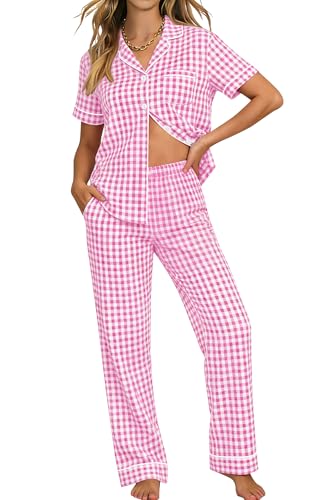 Cotton; construction not stated
SWOMOG 100% cotton short-sleeve button set
A short-sleeve button-front cotton outfit with a named pocket.
Check on AmazonContinue with the relevant guide
Back to Fabric notes · Explore cotton pajamas
Sources and editorial method
This is a researched selection guide. We have not performed hands-on wear, washing or laboratory tests on the featured products.