Fabric notes
Cotton vs. Silk Pajamas: A Choice About Feel, Wear and Care
As an Amazon Associate I earn from qualifying purchases. Purchases take place on Amazon.
A beautiful silk pajama set can be tempting even when your favorite sleepwear is a plain cotton pair. The decision is not simply practical versus luxurious. You may want a different surface feel, a gift that feels special, or a set that looks composed outside the bedroom. Cotton can meet some of those preferences too, and silk introduces questions beyond appearance. This comparison follows a pajama through putting it on, wearing it in bed and returning it to the laundry. It also clears up the satin terminology that can send an otherwise careful shopper toward the wrong fiber.
Quick Answer
Choose between cotton and silk by the finished fabric, how it feels against your body and the care you will actually perform. Silk is a fiber; satin describes a weave and is not proof of silk content. Cotton can be an appealing everyday option, while a particular silk garment may suit someone who values its feel and accepts its maintenance requirements.
In this guide
- At the product page: make sure silk means silk
- While getting dressed: look beyond the surface
- Two cotton references help define the alternative
- In bed: judge contact, sliding and coverage
- The next morning: decide how much appearance matters
- Laundry is where the comparison becomes concrete
- Three ways to make the purchase sensible
- Before paying for silk, resolve these details
At the product page: make sure silk means silk
Silk is a fiber, whereas satin is a weave description. A satin-looking pajama is not automatically silk. CottonWorks describes the smooth surface associated with satin structures; that construction information should not be mistaken for a complete fiber label. CottonWorks woven-fabric guidance.
Look for a composition statement that explicitly names silk and any other fibers. Silky, silk-feel and satin are not equivalent to 100% silk. If you want a silk garment, the distinction is essential. If you simply like a glossy appearance, you can consider other fabrics honestly without paying for a fiber claim that has not been made.
Cotton also appears in smooth woven forms, including cotton sateen. That creates a third useful option for someone attracted to the appearance of a polished set but committed to cotton. The poplin and sateen comparison explains that construction choice without treating sateen as another word for silk.
While getting dressed: look beyond the surface
Put neckline, fastening and ease beside the fiber in your decision. A beautifully smooth cloth does not make a narrow sleeve comfortable or a rigid collar unobtrusive. If you dislike button plackets in bed, a silk shirt set may retain the same problem as a cotton shirt set. The fabric has changed; the construction has not.
For a gift, this distinction is especially important. A recipient may admire the appearance of a classic set yet prefer a simple pullover for sleep. Ask about the form they already wear rather than assuming that silk makes every format an upgrade. You can choose a thoughtful cotton garment without treating it as a second-rate gift.
Check whether the item is intended to fit closely or to hang with space around the body. A size letter alone cannot answer that. If the garment is expensive enough that fit uncertainty matters, obtain measurements before ordering rather than assuming a premium fabric comes with a universally reliable cut.
Two cotton references help define the alternative
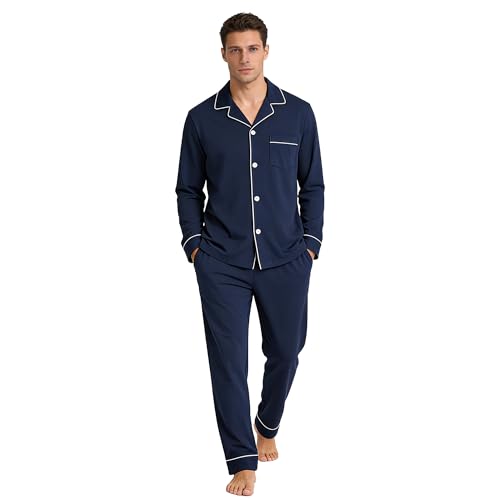
U2SKIIN's men's button-down set, ASIN B08P6MS568, explicitly states 100% cotton in the retrieved title. It provides a cotton option for someone who likes a shirt-style pajama format. The title does not establish a particular weave or a comparison with silk, so we leave those points unspecified.
SWOMOG's women's short-sleeve button set, ASIN B0G6321MHS, also makes a 100% cotton statement and names a pocket and pants. Its shorter sleeves give it a different coverage profile from a long-sleeve silk candidate. Keep that difference in view instead of crediting every comfort preference to the fiber.
These products are available as cotton-side examples through the U2SKIIN product page and SWOMOG product page. This article does not claim a verified silk model in the affiliate catalog or a firsthand comparison test. It gives you a framework for evaluating a documented silk item against a real cotton alternative.
In bed: judge contact, sliding and coverage
A smooth surface can be pleasant, but your preference depends on how it interacts with your bedding and sleeping position. Some people want cloth that moves readily; others dislike a slippery impression or prefer a more familiar cotton hand. These are individual preferences that a list of luxury adjectives cannot settle.
Consider the places where fabric gathers. A long shirt can fold under the back, full trousers can collect around the knees, and a wide collar can turn upward. Those experiences depend on cut and length as well as the cloth. If you are evaluating an owned or return-eligible garment, sit and lie in your usual positions without forcing the fabric to stretch.
Do not use a shiny photograph as evidence of opacity. Lighting, styling and color can conceal how much coverage a garment provides. Pale cloth deserves a closer look if you intend to wear it around guests or in shared accommodation. The same caution applies to cotton and silk.
Likewise, neither fiber should be promised to keep every sleeper cool. A long-sleeve set under substantial bedding is a different situation from a short set in a lightly covered bed. If warmth is the concern, compare coverage and cloth thickness along with fiber, then consult the warm-sleeper selection guide.
The next morning: decide how much appearance matters
Some pajamas only need to be comfortable enough for sleeping. Others serve as breakfast clothing, a getting-ready outfit or something you wear while hosting family. Think about which job you are buying for. A garment can be excellent at one and inconvenient at another.
If you want a polished appearance, inspect the collar, button alignment, trouser length and the way the fabric hangs. Those details can make a modest cotton set look intentional. Conversely, an ill-fitting silk garment can look awkward regardless of its material cost. Fabric prestige should not excuse poor proportions.
Consider how much upkeep you will perform to preserve the appearance you like. If ordinary creases will bother you, confirm the pressing instructions and decide whether that work is realistic. If you are content with relaxed sleepwear, there may be little reason to pay for a look that requires more attention than you want to give it.
Laundry is where the comparison becomes concrete
Silk is a protein fiber, and University of Georgia Extension identifies sensitivity to factors including chlorine bleach and high temperatures. The source also emphasizes garment care instructions. Those broad cautions are reasons to read the finished item's directions, not a recipe to apply indiscriminately. UGA silk and cotton care characteristics.
Do not assume every silk pajama must be dry-cleaned, and do not assume washable silk means it can join any household load. Read the specified method, drying directions and warnings. If professional cleaning is required, account for the time and cost. If washing is permitted, understand what that process involves before purchasing.
Cotton also needs product-specific care. An all-cotton label does not automatically authorize hot washing, bleach or a particular dryer setting. A trim, finish or construction can change the instructions. Compare the actual routines of the two candidates rather than a stereotype of carefree cotton against difficult silk.
Ask yourself how you handle lotions, breakfast spills and repeated wear. A garment that you avoid wearing because you worry about every mark may not be the right everyday choice. It could still make sense as an occasional favorite, provided that is an intentional role rather than a disappointment.
Three ways to make the purchase sensible
| Your intended use | What should decide it | Common mistake to avoid |
|---|---|---|
| Frequent everyday sleepwear | Reliable fit and repeatable care | Buying a routine you will not follow |
| An occasional special set | A feel and appearance you personally enjoy | Expecting prestige alone to make it comfortable |
| A gift | The recipient's format, size and maintenance preferences | Confusing satin appearance with verified silk |
For everyday use, begin with the method you can sustain. For an occasional purchase, it is reasonable to place more weight on a specific aesthetic or tactile preference. For a gift, reduce uncertainty rather than maximizing the apparent luxury of the label. The right balance changes with the garment's role.
If you already own comfortable cotton pajamas, keep them as a baseline. You do not need to replace them merely because silk sounds more luxurious. A new fabric should add something you value, whether that is a particular feel, a different style or an outfit for a distinct occasion.
Before paying for silk, resolve these details
- Does the composition name silk, rather than only satin or silky?
- Does the selected garment have measurements that make its fit plausible?
- Are the cleaning and drying methods acceptable for the frequency of wear?
- Do the collar, waistband and closures suit the way you sleep?
- Is the appearance still useful to you when it requires ordinary maintenance?
If one essential answer is missing, request it. If the answers point toward cotton, that is a considered choice rather than a compromise you need to justify. The pure-cotton collection provides a place to examine cotton garments after you have decided which format and care requirements matter most.
Questions about this decision
Are satin pajamas the same as silk pajamas?
No. Satin describes construction or appearance, while silk identifies a fiber. Check the composition panel for the actual material. A glossy pajama may use another fiber, and silky wording alone is not evidence that silk is present.
Is silk always too delicate for regular sleepwear?
That conclusion is too broad. A particular silk garment may suit regular use when its construction and care routine work for the wearer. Obtain the item's instructions and decide whether you will follow them. Do not turn a general fiber caution into a claim about every product.
Can cotton pajamas make a good special-occasion gift?
Yes. A well-chosen cut, pleasing print and manageable care routine may be more valuable to the recipient than a premium fiber name. Confirm the person's preferences and sizing. The quality of the choice depends on suitability, not on whether the label says silk.
Final Verdict
Buy silk because a specific silk garment offers a feel or appearance you want and a routine you accept. Choose cotton when the actual cotton alternative fits your everyday needs better. The useful distinction is between complete garments, not between a plain fabric and a luxury ideal. Verify silk content, pay attention to contact points and think through the next laundry day before deciding. That approach leaves room for a special silk set, dependable cotton pajamas, or both serving different purposes in the same wardrobe.
Explore the listed examples
As an Amazon Associate I earn from qualifying purchases. Purchases take place on Amazon.
Cotton; construction not statedU2SKIIN men’s 100% cotton button-down set
A complete button-down cotton outfit for men.
Check on Amazon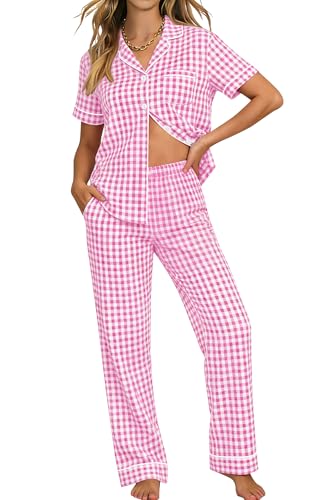 Cotton; construction not stated
SWOMOG 100% cotton short-sleeve button set
A short-sleeve button-front cotton outfit with a named pocket.
Check on AmazonContinue with the relevant guide
Back to Fabric notes · Explore cotton pajamas
Sources and editorial method
This is a researched selection guide. We have not performed hands-on wear, washing or laboratory tests on the featured products.