Everyday decisions
Matching Cotton Family Pajamas Without Forcing One Fit
As an Amazon Associate I earn from qualifying purchases. Purchases take place on Amazon.
The family photograph may last a moment, but the pajamas should make sense for the people wearing them afterward. A shared print cannot compensate for a child in the wrong sleepwear size, an adult who dislikes the fabric or someone left out because the available cut does not fit. Family coordination works better when appearance is the final layer of the plan rather than its starting requirement. This guide covers that planning task. It does not certify any child product as compliant, and the catalog examples are not presented as a verified matching family range.
Quick Answer
Coordinate appearance only after every person has a suitable garment. Adult and child versions may differ in fabric, cut and labeling even when they share a print. For children's snug-fit sleepwear, follow the exact product's intended fit and measurements; never size up simply for matching or growth. When a true matching range is unverified, complementary colors are a more honest and flexible approach.
In this guide
- Build a person-by-person brief before choosing the theme
- Treat matching as three possible levels
- What the catalog can support in this plan
- Inspect each variation as if it were a separate purchase
- Try the outfits without letting the photograph dictate comfort
- Organize group ordering around accountability
- Plan the second use before the first photo
Build a person-by-person brief before choosing the theme
List each participant and the garment format they would actually wear: adult long pants, adult shorts, a child's two-piece outfit or another age-appropriate format. Add the relevant size-chart information and any clear material preference. Keep this list separate from colors and patterns at first. The purpose is to expose conflicting needs early, while you still have flexibility to coordinate rather than insist on identical clothing.
For adults, a shared labeled size does not prove a shared fit. One person may need more sleeve length, another a different rise, and another separate top and bottom sizes. A single unisex-looking photograph cannot resolve those differences. If a family range lacks the necessary proportions, it is reasonable to use a coordinating garment from a different range rather than choose an awkward size solely to preserve the pattern.
For children, the starting point is the exact product category and its labeling. The CPSC's infant and tight-fitting garments guidance explains that qualifying categories have specific requirements. Tight-fitting sleepwear is not simply ordinary loose clothing bought smaller. Do not size a snug-fit garment up for a future growth period or try to shrink an unsuitable size into the intended fit.
Treat matching as three possible levels
Identical matching means the same verified pattern across suitable versions for all participants. Coordinated matching might use a common color with different prints or cuts. A shared accent can be even looser: everyone chooses pajamas they want to wear, with one compatible visual element. Decide which level matters to the group. A photo can look intentional without every garment being the same product or fiber construction.
The tighter the matching requirement, the more important it is to verify the entire range before placing partial orders. An adult version being listed does not establish that the corresponding child size exists or is currently offered. A search result containing family language may group unrelated items. Confirm each selected variation and do not describe availability across the group until the actual destinations support it.
A looser coordination plan also helps when preferences differ. One adult can choose a button-front top while another wears a pullover; a child can use an appropriate snug-fit set. The shared visual choice does not need to override those practical differences. This is often the most useful way to preserve the family idea while ensuring the garments retain value beyond a single occasion.
What the catalog can support in this plan
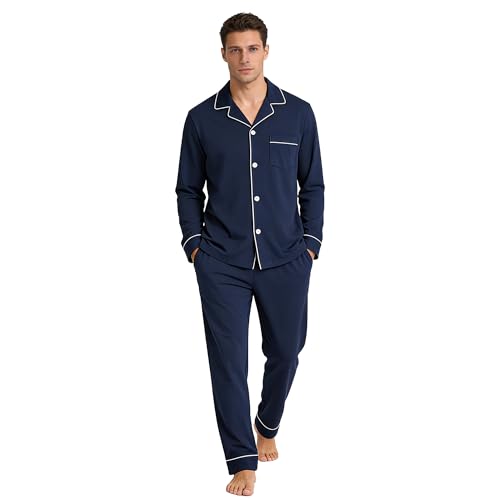
U2SKIIN B08P6MS568 is a men's 100% cotton button-down set. Veseacky B0DGQ97W5N is a women's 100% cotton long-sleeve two-piece set. Those descriptions support discussion of two adult formats, not a claim that the products match each other in shade, pattern or fabric weight. Even if photographs look compatible, image lighting and selected variations can affect the apparent color. Treat coordination as something to inspect, not a confirmed catalog relationship.
The Children's Place B09CW6RLZG explicitly uses long-sleeve snug-fit cotton two-piece wording in its title. That makes it a relevant example of why a youth garment's fit category must remain visible in a family plan. The title is not a complete compliance or recall assessment, and it does not supply every measurement needed for an individual child. Consult the exact product's information and current applicable checks before deciding it is suitable.
These examples therefore illustrate separate selection tracks: adult format preferences and child-specific fit labeling. They are not a family bundle recommendation. Browse the children's sleepwear collection and adult collections independently, then see whether a genuine coordination option remains. It is better to show complementary possibilities accurately than to invent a matching collection from loosely similar search results.
Inspect each variation as if it were a separate purchase
A listing can contain several sizes, colors and garment types under one page. After changing the selection, reread the composition, garment format and size information. Do not assume the adult and child versions share fabric percentages or the same care routine. Keep a note of the exact chosen item for each person so that an accidental variant change is visible before ordering.
Count pieces as well as outfits. A multipiece listing may refer to several tops and bottoms rather than the number of complete sets you initially imagined. A photograph showing several people does not prove that all their garments are included in one purchase. Verify what the selected order contains, and avoid making group plans around a bundle inferred from lifestyle imagery.
Pay particular attention when a child is between product ranges. Moving from a toddler listing to a youth listing may change the chart and format, while an adult size is not a simple extension of the same scale. Our teen sizing guide explores that boundary. Family coordination is not a reason to skip the more careful fit decision.
Try the outfits without letting the photograph dictate comfort
Have each person check the garment in ordinary movement. Adults can assess sleeve reach, seated fit and trouser length. Children's garments need their intended fit and label instructions respected throughout the assessment. Do not pull or style clothing into a temporary photo-ready arrangement that disguises an unsuitable size. The outfit should make sense when the picture is over and normal movement resumes.
If one garment fails the check, change the coordination plan before pressuring the wearer to accept it. A different shade, a different cut or simply less exact matching may be the right result. The cost of a mismatch in the photograph is often smaller than the cost of buying clothing someone cannot use. This is particularly relevant when several people are contributing their own purchases.
Keep alterations and personalization out of the early stage. They can affect the garment and may change the seller's applicable terms. For children's sleepwear, do not modify fit or construction casually to make it resemble the adult version. If the exact product cannot provide the intended fit for that child, select an appropriate alternative rather than turning a visual preference into an improvised garment redesign.
Organize group ordering around accountability
Decide whether each adult buys their own garment or one person coordinates the orders. Either can work, but the information needs a clear owner. Record the selected item, size, recipient and the relevant seller terms. Avoid circulating a general product link without the agreed variation, because another participant may land on a different selection and reasonably assume it is the intended one.
When gifts are involved, use the retailer's actual gift options if offered and retain the order details needed for any later question. CottonPajamas.net does not fulfill group orders or handle returns. The gift guide covers preference and seller-policy uncertainty. For a family purchase, the additional task is keeping several individual decisions organized without treating them as one uniform order.
Plan the second use before the first photo
Ask whether each person would wear the garment after the occasion. If the answer is no, consider whether an existing outfit and a looser color theme can meet the visual goal. Reusability is not proved by a product being cotton; it comes from fit, preference and a care routine the owner can manage. The strongest coordination plan leaves each participant with clothing they chose for a reason.
The group does not need a shared laundry routine either. Preserve individual care instructions and keep child labeling available. A common print can conceal differences in components and handling. Let the appearance be shared while the practical decisions remain garment-specific. That separation is what allows a family set of photographs to coexist with a family of different bodies, preferences and everyday clothing needs.
Questions about this decision
Can adults and children wear different pajama cuts in a matching photo?
Yes. Coordination can come from color or pattern while each person uses a suitable format. Adult button-front sets and children’s appropriately labeled sleepwear do not need identical proportions. The photograph should accommodate those differences rather than drive an unsuitable fit choice.
Should I buy children’s snug-fit pajamas larger so they last longer?
No. Do not size up snug-fit sleepwear for growth or matching. Follow the exact product’s fit instructions and measurements, with the CPSC category guidance in mind. If the available size is unsuitable, choose another appropriate garment instead of compromising the intended fit.
Does a family-pajama product photo mean the entire family bundle is included?
Not necessarily. Check the selected listing’s contents, size and garment type. A lifestyle image may display several separately sold versions. Confirm every person’s actual item and do not infer a complete bundle or matching availability from the photograph alone.
Final Verdict
Let each wearer keep ownership of fit while the group shares an appearance. Verify adult preferences, preserve child-specific sleepwear labeling and confirm every selected variation independently. The catalog examples here demonstrate separate adult and youth choices; they do not establish a ready-made matching range. If exact matching breaks down at one size or format, coordinated colors can preserve the idea without forcing a poor purchase. A family pajama plan succeeds when the clothing remains useful after the photo, and when nobody's practical needs were treated as an obstacle to making the pattern line up.
Explore the listed examples
As an Amazon Associate I earn from qualifying purchases. Purchases take place on Amazon.
Cotton; construction not statedU2SKIIN men’s 100% cotton button-down set
A complete button-down cotton outfit for men.
Check on Amazon Cotton; construction not stated
Veseacky 100% cotton long-sleeve set
A simple two-piece option where fiber percentage is the first filter.
Check on Amazon Cotton; construction not stated
The Children’s Place long-sleeve snug-fit cotton set
Understanding a labeled snug-fit child set rather than an adult relaxed set.
Check on AmazonContinue with the relevant guide
Back to Everyday decisions · Explore cotton pajamas
Sources and editorial method
This is a researched selection guide. We have not performed hands-on wear, washing or laboratory tests on the featured products.